-
 Illinois is facing a diesel-fuel price disaster, according to Gov. JB Pritzker. He’s directed state agencies not to penalize the use of tax-exempt red-dyed diesel on roads. While he calls it a cost-saving measure, the leader of the Illinois Fuel and Retail Association says more clarity is needed.
 -
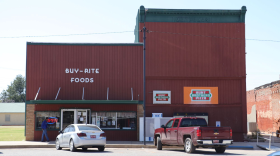 More than 5 million people are no longer getting food aid in the wake of a slew of cuts and changes to the Supplemental Nutrition Assistance Program. As changes to the program continue to unfold, rural Americans face unique problems.
 -
 The Natural Resources Conservation Service lost nearly a quarter of its staff nationwide in 2025 after the Trump administration’s cuts to the federal government. Many were local experts that help farmers with soil and water conservation efforts.
 -
 U.S. Geological Survey researchers developed models to better understand the timing and sources contributing to nutrient pollution in streams and rivers. They say their findings can help guide efforts to improve water quality.
 -
 Attorneys say cases that claim the popular weedkiller causes cancer will have to change course to move forward in court after the U.S. Supreme Court sided with the agriculture company last month.
 -
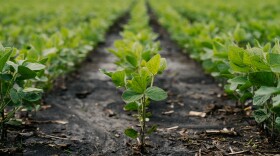 New federal rules for dicamba aim to help cotton and soybean farmers control weeds. But the herbicide, which can kill other crops and trees, remains controversial.
 -
 An official review of the United States-Mexico-Canada Agreement begins in July. President Trump already has suggested the U.S. would be better off without it.
 -
 President Donald Trump’s “One Big Beautiful Bill” severely impacted two of Illinois’ most economically vulnerable groups: the hundreds of thousands of Illinoisans set to lose Supplemental Nutrition Assistance Program food assistance this year and the small farmers who are losing them as customers.
 -
 For those looking to continue their family legacy, there is a hefty estate tax associated with taking over the business and the land. But there’s also a sense of some in the older generation not wanting to pass the torch, and because of improved equipment quality, they don’t have to just yet.
 -
 With advocates estimating that as much as 95% of food consumed in Illinois is imported, a state program aims to support the local supply chain.

© 2026 WGLT
A public service of Illinois State University
Play Live Radio
Next Up:
0:00
0:00
Available On Air Stations


