-
 A legal cease fire between the Town of Normal and City of Bloomington on one side and McLean County government on the other shows signs of deterioration. The two sides again appear headed for court.
 -
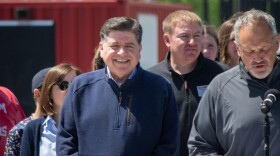 Illinois will offer a sales tax reduction on school supplies from Aug. 7-16.
 -
 The City of Bloomington believes childcare accessibility and affordability are “critical” issues for the community, said Tyus. “It's just as important as finding quality employees,” he said.
 -
 A delay last year in finishing the external audit for McLean County government put grants at risk and further heightened periodic and recurring tensions. McLean County Board Chair Elizabeth Johnston said in a WGLT interview she thinks this year will go much better.
 -
 Winter weather complicates an already scarce parking situation in Downtown Bloomington. The Market Street parking deck has closed. And the Front and Center block has yet to finish demolition and become surface parking. That’s likely to become available sometime next spring.
 -
McLean County Board Chair Elizabeth Johnston said there's significant movement on mental health program spending in the county. That comes from sales tax money shared with the county by Bloomington and Normal.
-
 McLean County government has offered an olive branch in its response to notice of default from the City of Bloomington and Town of Normal in a protracted dispute over shared sales tax money.
 -
 When the state rollback of the locally shared grocery tax first passed, then-Mayor Mboka Mwilambwe said he believed there was no appetite on the Bloomington City Council to impose a local tax. Though the vote was still split, the council passed the tax this week.
 -
 The dispute over shared sales tax money for mental health and public safety has escalated again. Normal and Bloomington have formally accused the county of defaulting on the decade-old intergovernmental agreement on use of the shared revenue.
 -
 Gov. JB Pritzker called the grocery tax regressive and abolished it last year, effective in January 2026. Local communities can approve their own 1% percent sales tax on groceries.

© 2026 WGLT
A public service of Illinois State University
Play Live Radio
Next Up:
0:00
0:00
Available On Air Stations


