-
 Candace Summers' new book "Mourning in McLean" will be available for purchase at several events this week in the Twin Cities, including a presenatation hosted at the Bloomington Public Library.
 -
 The Documentation Project on Tuesday delivered another informational meeting on the effects of Trump administration cuts to federal grants and services in McLean County.
 -
 Bloomington-Normal was home to the oldest and longest continuously running underground newspaper in United States history. The paper, called Post Amerikan, ran from 1972-2004 and is now the subject of a feature length documentary screening Friday at the Normal Theater.
 -
 Mike Matejka is the only person from outside Chicago honored by Illinois Humanities this year, given the Public Humanities Award recognizing community leaders who further culture and civic engagement.
 -
 Bob Sutherland died Thursday morning at the age of 88. Family and friends are remembering him as a staunch advocate for civil rights and steward of the county's Jail Review Committee.
 -
 As the nation marks the 25th anniversary of the attacks on Sept. 11, Bloomington-Normal literary enthusiasts are also marking 25 years of David Foster Wallace's essay, The View From Mrs. Thompson's.
 -
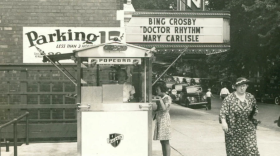 As Central Illinois swelters in the summer heat, most people have someplace to go to cool off. Not so long ago, it wasn't like that. 1934 was the year air conditioning came to Bloomington-Normal.
 -
 More Than a Game! will remain installed at the McLean County Museum of History for at least five years. It's a rare new permanent exhibition drawing from the museum's collection and local baseball lore on loan for the occasion.
 -
 At first, concerns rolled in from all sides of the political spectrum about the politics of patriotism. The collection of pieces by local artists respond to a series of questions about revolutionary moments, how migration and settlement impact the natural world and what it means to be an American.
 -
 You might know him as Coach Mac, Principal McIntyre or Mr. Board Chair. Regardless of what his title was, John McIntyre said he was drawn his entire life to serving Bloomington-Normal.

© 2026 WGLT
A public service of Illinois State University
Play Live Radio
Next Up:
0:00
0:00
Available On Air Stations


