-
 Mayor Chris Koos says the town's decision to extend a six-month moratorium through next spring would help it prepare for any new state regulations that could come this fall.
 -
 Mayor Chris Koos honored Terri Ryburn as the Town of Normal's Citizen of the Year at a reception on Tuesday. Ryburn is retiring in December as caretaker of the historic Sprague's Super Service on Pine Street.
 -
 A legal cease fire between the Town of Normal and City of Bloomington on one side and McLean County government on the other shows signs of deterioration. The two sides again appear headed for court.
 -
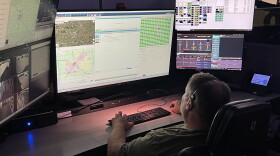 Delays and glitches in a new McLean County Computer Aided Dispatch system are frustrating public safety agencies. McLean County is implementing a new suite of software applications to speed up fire and police response in the county. It has not gone well.
 -
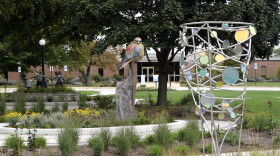 The garden unveiled a new addition this week: a bronze cast sculpture by Bloomington's Herb Eaton that nods to the Twin Cities' circus roots.
 -
 The council heard positive results from an annual audit presentation and extended Normal's data center moratorium during its Monday night meeting.
 -
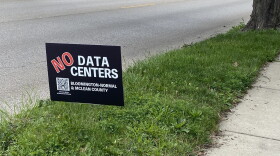 The town council will vote Monday on a plan to extend the moratorium on accepting any data center permits through May 2027.
 -
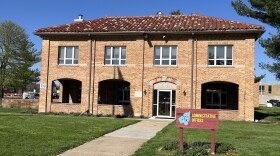 The Bloomington-Normal Water Reclamation District will fix the longstanding bad water situation in the Colonial Meadows subdivision on the far east side of Bloomington. The water reclamation district also will spend $2 million on a new exhibit at the Children's Discovery Museum. The district board has approved borrowing up to $65 million. And BNWRD will probably raise its property tax rate to the maximum allowed.
 -
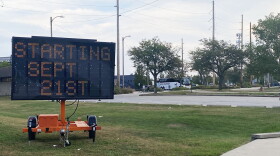 The Parkinson Street Parking lot south of the railroad tracks will be closed starting Monday, Sept. 21, and a detour will be set up for Constitution Trail users.
 -
 The plan approved by the Uptown Design Review Commission asks for a waiver to enclose the museum's open arcade on the west side. The museum also wants space to expand its water table exhibit.

© 2026 WGLT
A public service of Illinois State University
Play Live Radio
Next Up:
0:00
0:00
Available On Air Stations


