-
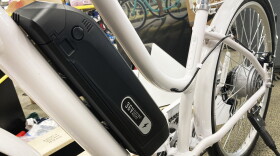 The Bloomington City Council is looking into how impending changes to state law related to electric bikes and scooters could affect the city.
 -
 Mike Matejka is the only person from outside Chicago honored by Illinois Humanities this year, given the Public Humanities Award recognizing community leaders who further culture and civic engagement.
 -
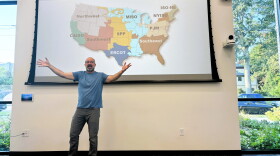 At the Bloomington Public Library on Wednesday, residents heard about the reasons behind the rising costs of energy from Nick Hylla, executive director of the Midwest Renewable Energy Association [MREA].
 -
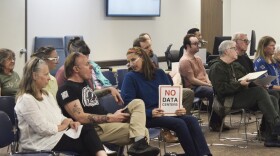 "I want everyone to sit down, have coffee, have cookies and educate one another,” said John Danenberger.
 -
 The city council unanimously approved spending $99,700 to contract with Evanston-based planning and design firm Teska Associates to develop the West Bloomington Quality of Life Road Map.
 -
 Mayor Dan Brady declared a local disaster emergency for the storm damage and power outages Thursday evening, and issued another Saturday as flooding became the focus. Now, both of those declarations are in place until Sept. 16.
 -
 Downtown Bloomington on Wednesday night officially opened its redeveloped 600 block of North Main Street that boasts a new ring structure to light the area.
 -
 The Bloomington City Council reviewed the funding and discussed how it is being represented on a McLean County council focused on mental and behavioral health.
 -
The City of Bloomington is getting more money from the state of Illinois to refurbish and rehabilitate homes in the community.
-
 The Bloomington City Council on Monday approved hundreds of thousands of dollars worth of new vehicle purchases, welcomed three new police officers to the force and approved a settlement involving a former officer.

© 2026 WGLT
A public service of Illinois State University
Play Live Radio
Next Up:
0:00
0:00
Available On Air Stations


