Employees all over McLean County are entering open enrollment season — and are likely suffering from some sticker shock as their health insurance premiums increase by an average of 8% for next year. McLean County employers say they know how critical health insurance is to hiring and keeping workers, but struggle to absorb the associated increased costs.
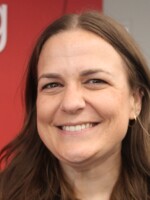
OSF HealthCare's Vice President of Total Rewards Becky Karlowicz manages benefits for OSF's 27,000 employees, which they call mission partners. Once those people add dependents to their healthcare plans, "we're close to a 40,000-member group," she said.
Karlowicz said prices for insurance plans are going up for many reasons. Among them: increased behavioral health needs, high drug costs including GLP-1s and an aging population.
"Health plans are seeing more million dollar claimants than they ever have before, and so that's dramatically driving up the spend in a way that's difficult to sustain," Karlowicz said.
When an employee signs up for health insurance through their employer, the employer usually covers a portion of the health insurance premium. The amount the employee sees coming out of their paycheck is not the entire cost of the insurance they receive, Karlowicz said. And more and more, those costs are increasing, an average 8% this year, according to to a nationwide survey.

Karlowicz said more than two-thirds of employers are increasingly shifting healthcare costs to employees. This could come in the form of higher premiums, higher deductibles or co-pays, or increases to the amount employees pay out-of-pocket each year. She said OSF is not immune to these types of changes.
Karlowicz said managing health insurance is challenging, but necessary because employees depend on their employers for health coverage.
"Benefit packages are very important in both retention and recruitment of employees," Karlowicz said. She said if OSF is trying to hire someone who has a competing job offer from another organization, the health plan can give OSF a competitive edge. "You have to have a competitive benefits package really as your table stakes. And then where do you enhance your benefits package as a differentiator?" Karlowicz said.
Behind the healthcare plan curtain
Kevin Sheahan is the director of human resources for the Town of Normal, where he makes the same types of decisions as Karlowicz. Sheahan said, "We are trying to recruit and maintain the best employees we can, and the health benefits package is a big part of that."
Sheahan said the Town of Normal tries to make it clear to its employees how much value they are getting in healthcare as a benefit, in addition to their base salary. He said it provides employees "information in terms of what the employee contribution looks like, and what the town contribution looks like, and what the total combined premium is for the employees."
One trend some employers are adopting to ease the pain is called salary-banded premiums, Karlowicz said. This means lower wage earners in an organization pay a smaller proportion of their health insurance costs. As a worker's wages go up, the amount they spend on health insurance increases as well. Karlowicz said this practice "aligns very well with our Catholic values of justice and integrity."

Karlowicz said for 2027, if OSF hadn't made any changes, the same plan would cost the healthcare organization 13% more than in 2026. To partially absorb this cost, Karlowicz said mission partners making $25 or less per hour will see insurance premiums about 5% higher. Mission partners in the highest salary band will see increases closer to 15% of the insurance premium.
"This is where the use of salary banded premiums is especially impactful," she said.
Sheahan said Town of Normal employees will see a 3% increase in insurance premiums in 2027. Sheahan said the 3% is the result of a lot of proactive managing and negotiation of the town's benefit plan, otherwise it may be more like 8% or even double digits.
Karlowicz said employees who are frustrated by rising costs should know how much effort goes into selecting a health plan.
"There's a lot of thought behind it that most employees wouldn't ever see on a daily basis," she said, and added the people making the decisions are covered by the same health plans they're choosing for others.
"It's not something that just crosses someone's desk and they're like, 'Yeah, this looks good.'" Karlowicz said. "There's a lot of thought and analysis behind it."
Part of the challenge is to choose a plan that can provide value to a wide variety of employees. Sheahan said the Town of Normal has 393 employees and 268 dependents on its plan. The employee population includes a broad range of people needing benefits.
"We've got cops, firefighters, accountants, engineers, lawyers — a whole wide range of different types of employees," he said. "So we like to get their feedback and communications regarding how the plan is doing."
Sheahan said the Town of Normal incorporates this feedback as they make further decisions about the plans. As a municipality, he said the town takes care to be good stewards of the tax dollars which fund their operations, including employee benefits.
Karlowicz said this process looks completely different in other countries, where there are different healthcare laws and different payment structures for health insurance. "But here in the U.S. it's very much on the backs of employers to figure out how to do it in a way that's sustainable and keeps things affordable for their employees," she said.