-
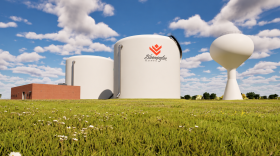 Bloomington will spend more than $60 million to build a new water distribution pump station, among other water system upgrades.
 -
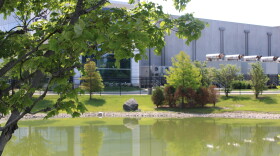 How much potential water exists in Bloomington-Normal and McLean County is difficult to tell. Experts tell WGLT the lack of understanding and potential differences in each and every data center's need for water make it impossible to say how much one would need or use.
 -
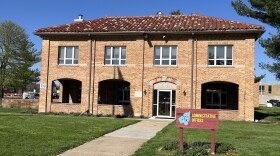 The Bloomington-Normal Water Reclamation District will fix the longstanding bad water situation in the Colonial Meadows subdivision on the far east side of Bloomington. The water reclamation district also will spend $2 million on a new exhibit at the Children's Discovery Museum. The district board has approved borrowing up to $65 million. And BNWRD will probably raise its property tax rate to the maximum allowed.
 -
 The Bloomington city manager said a long public forum on data centers this week was just the early part of the discussion about data center policy.
 -
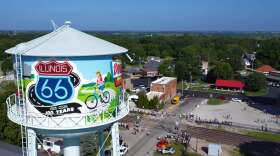 Jeff Hake, director at CORE of McLean, said the tower includes every marker of the village, including the Dixie truck stop and a biking path.
 -
 The City of Bloomington will need to update a more than decade-old study to better understand its water needs and how to move forward. That was among the findings presented to the city council by consulting firm Farnsworth Group in a study of the city's water usage and possible avenues for expansion.
 -
As the City of Bloomington considers how to get more water in the future, planners could look to the city of Joliet for an example. One of the options under study by Bloomington would be for the city to build a pipeline to the Illinois River.
-
 Data centers may have a big geographical footprint, but they don't necessarily use a lot of water compared to other industrial facilities. WGLT gathered some data to help put data center water use in context, based on what's been approved in Joliet between here and Chicago.
 -
 Data centers are getting a lot of attention in Bloomington. In Normal, not so much — both in inquiries by business and concerns from the public.
 -
 In his first State of the City speech, Bloomington Mayor Dan Brady said the city has accomplished a lot in his first year in office.

© 2026 WGLT
A public service of Illinois State University
Play Live Radio
Next Up:
0:00
0:00
Available On Air Stations


